
How Personal Grooming and a Neat Appearance Boost Confidence for NDIS Participants
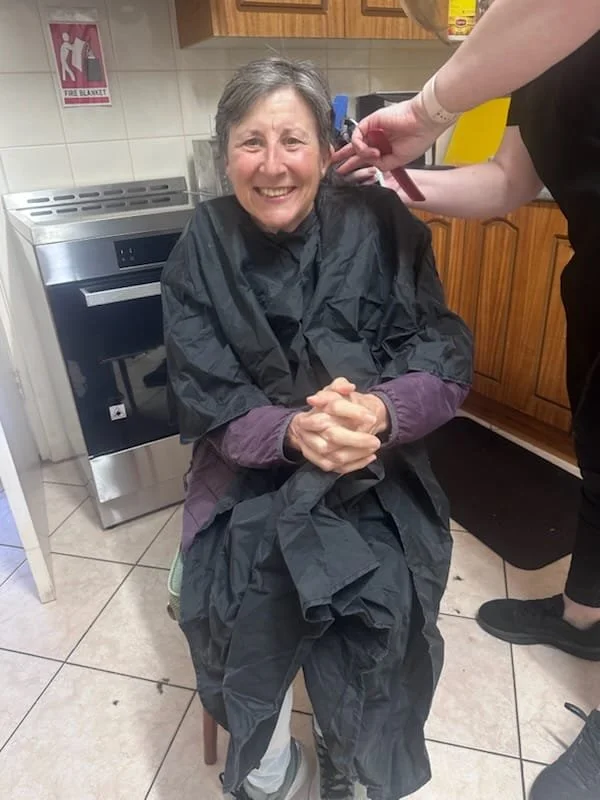
Personal grooming may seem like a small part of daily life, but for NDIS participants, it can play a powerful role in building confidence, independence, and overall wellbeing. Simple activities such as having a haircut, trimming hair, or maintaining a neat appearance can positively impact self-esteem and encourage greater participation in everyday life.
In this blog, we explore why being neat matters, how personal grooming supports confidence for NDIS participants, and how the right disability support can make these moments meaningful and empowering.
Why Personal Grooming Matters
Looking neat and well-groomed is closely connected to how we feel about ourselves. When a person feels comfortable with their appearance, they are more likely to feel confident, motivated, and socially engaged. For NDIS participants, grooming activities are not just about appearance—they are about dignity, choice, and self-expression.
A fresh haircut or a tidy appearance can:
Boost self-confidence and self-esteem
Encourage social interaction and community participation
Support emotional wellbeing and mental health️
Promote independence and daily living skills
Reinforce a sense of personal identity and pride
These everyday moments help participants feel valued, respected, and empowered.
The Link Between Neat Appearance and Confidence
Confidence often begins with how we see ourselves. For NDIS participants, maintaining a neat appearance can help reduce anxiety, increase comfort in social settings, and foster a sense of normalcy in daily routines.
When participants feel good about how they look, they are more likely to:
Engage confidently with others
Participate in social and community activities
Express themselves openly
Build stronger relationships
Feel proud of their achievements
Even something as simple as a hair trim can create a positive emotional shift, reminding participants that they deserve care, attention, and respect.
Personal Grooming as a Form of Self-Care
Self-care is an essential part of wellbeing, and personal grooming plays a key role in this process. Activities such as haircuts, grooming routines, and dressing neatly allow NDIS participants to take control of their personal care in a supported and respectful way.
With the right NDIS support workers, grooming activities can become enjoyable and confidence-boosting experiences rather than tasks. Support workers can assist participants by:
Encouraging personal choice and preferences
Providing gentle guidance and reassurance
Creating a calm and positive environment
Supporting independence at the participant’s pace
This person-centred approach helps participants feel safe, supported, and empowered.
Supporting Choice and Independence
Choice is a core principle of the NDIS. Whether it’s choosing a hairstyle, deciding when to have a haircut, or selecting grooming products, these decisions help participants express their individuality.
Supporting grooming routines encourages:
Decision-making skills
Independence in daily living
Confidence in personal preferences
A sense of control over one’s life
When participants are supported to make choices about their appearance, they gain confidence not only in how they look, but in their ability to make decisions.
The Role of Disability Support Services
Quality disability support services understand that confidence is built through everyday experiences. By supporting grooming and personal care, NDIS providers help participants feel comfortable, confident, and ready to engage with the world around them.
Person-centred disability support focuses on:
Respecting individual needs and preferences
Promoting dignity and independence
Encouraging positive self-image
Supporting emotional and social wellbeing
These small but meaningful moments contribute to long-term confidence and quality of life.
Conclusion
Being neat and well-groomed is more than just a routine—it is a powerful confidence booster for NDIS participants. Through simple activities like hair trims and personal grooming, participants can experience increased self-esteem, independence, and emotional wellbeing.
With the right support, these everyday moments become opportunities for empowerment, connection, and personal growth. At the heart of NDIS support is the belief that everyone deserves to feel confident, valued, and proud of who they are.